Why Sheepskin Slippers Cost More
When people ask whether sheepskin slippers are worth the money, what they are really asking is this: do natural materials, better construction and longer wear genuinely make a difference, or are they simply a more expensive version of the same thing?
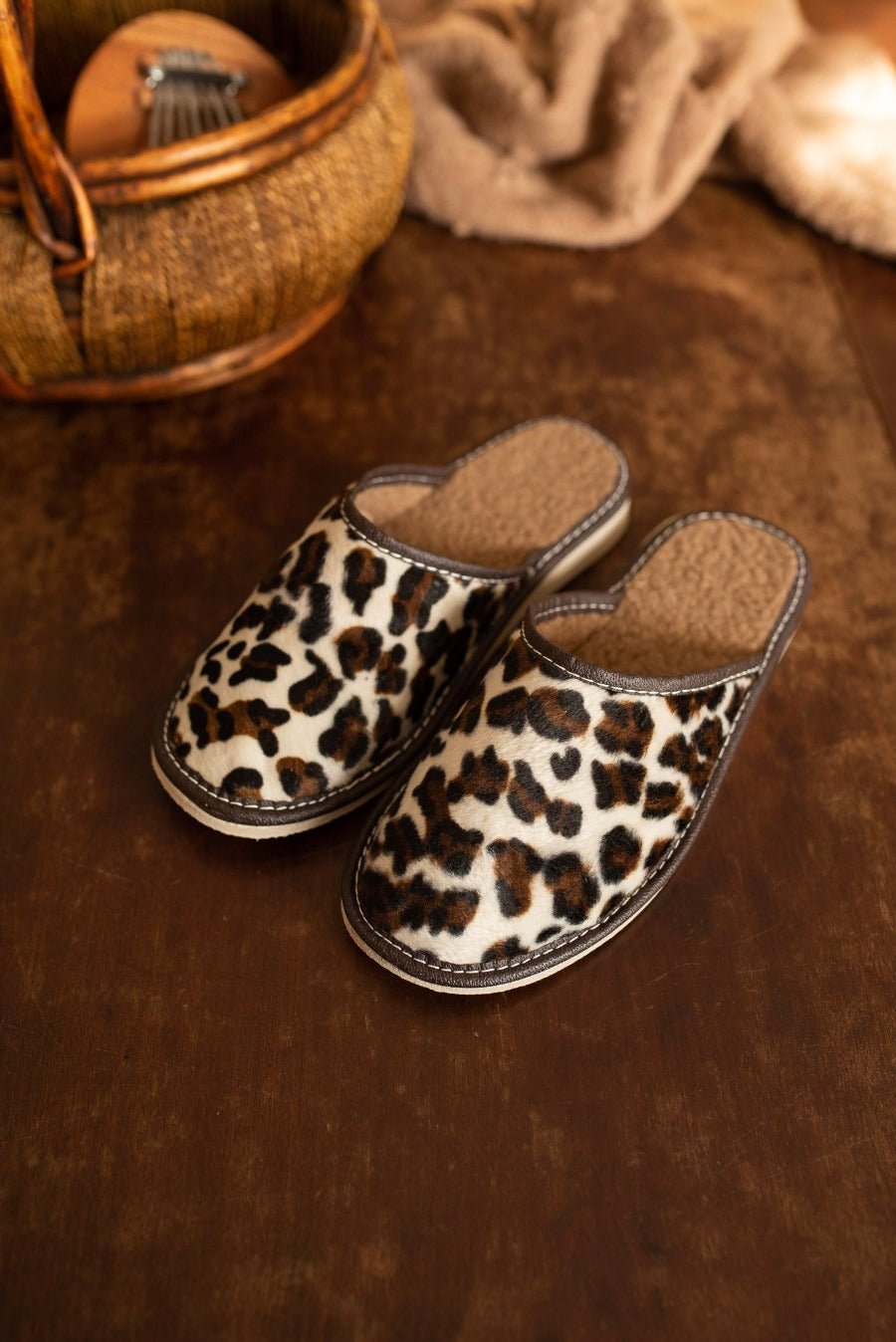
Sheepskin slippers are indoor slippers made from natural sheep leather with wool still attached, creating a soft lining that provides warmth, breathability and cushioning.
The short answer is yes, they usually are worth it, but only when they are made properly.
A well-made pair of sheepskin slippers is not just about softness. The value comes from the material itself, how it wears over time, how it feels after hours at home, and whether it still holds its comfort months later rather than looking tired after one season. That is where the real difference lies between a handmade pair made from natural materials and a cheap synthetic alternative.
Are sheepskin slippers worth the money?
Yes, sheepskin slippers are often worth the money because real sheepskin is naturally warm, breathable, soft underfoot and usually longer-lasting than synthetic alternatives.
That matters because slippers are not occasional footwear. For many people they are worn every day, often for hours at a time. A cheaper pair may cost less upfront, but if the lining flattens quickly, the sole loses shape, or the material becomes sweaty and tired-looking, it stops feeling like value very quickly.
By contrast, genuine sheepskin has a density and resilience that tends to hold up better with regular wear. The wool helps regulate temperature, which means feet feel warm without the heavy, stuffy feeling that often comes with artificial fleece. The leather side gives structure, while the wool side adds softness and comfort.
At ONAIE, that balance matters. The point is not to create slippers that feel impressive for five minutes out of the box. It is to make slippers that still feel good as part of everyday life.
What are the warmest slippers made of?
The warmest slippers are usually made from natural insulating fibres such as sheepskin or wool.
This is because wool fibres trap warmth while still allowing the foot to breathe. That combination is what people are usually looking for when they say they want slippers that are warm but not sweaty.
Sheepskin is especially effective because it combines a soft wool interior with a leather exterior. The wool offers insulation and comfort, while the leather helps the slipper keep its shape. Felted wool slippers can also be very warm, particularly for dry indoor use, and they tend to feel lighter on the foot.
Synthetic linings can feel warm at first, but they often rely on bulk rather than breathability. Once flattened, they lose much of the comfort that made them appealing in the first place.
What are the disadvantages of sheepskin?
The main disadvantages of sheepskin slippers are the higher price, the need for gentler care, and the fact that natural materials should be treated properly if you want them to last.
That said, these are not flaws so much as the trade-off that comes with buying a more natural, better-quality product.
A synthetic slipper is easier to replace because it was never built with long-term wear in mind. A sheepskin slipper asks for slightly more care because it is a more substantial material. It is closer to buying good leather shoes than buying disposable homewear.
Another honest point is that not every sheepskin slipper on the market is automatically good. Some are poorly made, overly glued, thinly lined or styled well but built cheaply. So the question is not only whether sheepskin is worth it, but whether the slipper itself is.
How long should slippers last?
A cheap pair of slippers may last one season. A better-made pair can last years.
How long slippers last depends on four things: the material, the sole, how often they are worn, and whether they are used only indoors or also outside.
Synthetic slippers often lose shape quickly because the padding compresses and the lining wears flat. Once that happens, the slipper may still look wearable, but it no longer feels particularly comfortable or supportive.
A good sheepskin slipper tends to age differently. The leather softens, the wool settles, and the slipper begins to mould to the foot. That is one of the reasons many people prefer natural materials once they have worn them. They feel more personal over time, not less.
At ONAIE, longevity and durability is part of the design logic. The aim is to make something comforting and useful, not something disposable.
What is the best quality sheepskin?
The best quality sheepskin for slippers is dense, soft, well-finished and substantial enough to hold both warmth and shape.
In practical terms, good sheepskin should not feel papery, sparse or overly processed. The wool should feel full rather than thin, and the leather should feel supple rather than brittle. Quality also shows in the construction around the seams, the finish of the sole and the overall balance of the slipper.
This matters because people do not only judge slippers by the first touch. They judge them by how they feel on day ten, day fifty and day one hundred.
Is sheepskin good for arthritis?
Sheepskin slippers can feel particularly comfortable for people with arthritis because they are soft, warm and gentle underfoot.
It is sensible not to overclaim here. Slippers are not a treatment. But comfort does matter. People with stiff, sensitive or easily chilled feet often prefer soft natural linings because they feel less harsh and more forgiving during everyday wear at home.
Warmth and cushioning are often the qualities people are looking for, especially in colder months.
Our thoughts
If you only want the cheapest possible pair of slippers for short-term wear, sheepskin may not feel necessary. But if you care about comfort, breathability, natural materials and the feel of something made to last, then yes, sheepskin slippers are often worth the money.
That is particularly true when they are made with care rather than designed purely around trend or speed. At ONAIE, that is the difference that matters most. Handmade slippers should feel honest in the material, useful in daily life and quietly luxurious in the way real comfort usually is.
FAQs
Do sheepskin slippers stretch?
Yes, slightly. Real sheepskin slippers usually soften and relax with wear, which is why they often feel more personal and comfortable after the first few uses.
Can you wear sheepskin slippers all year round?
Yes. Sheepskin is naturally temperature-regulating, so it is not only a winter material.
How do you clean sheepskin slippers?
Gently. Spot cleaning and careful hand care are usually safer than harsh washing methods.